

Captain JT Peg ‘Arctic Sea Scrub’ was a marvel of hygiene engineering. A complex system of ropes, pulleys, and freezing cold seawater, it was designed to blast away every last germ. For him, it was the pinnacle of cleanliness. For everyone else on the ship, it was a dangerous, terrifying ordeal they avoided at all costs.
He’d designed the perfect system; for himself. He couldn’t understand why his crew, when left to their own devices, were so stubbornly unhygienic. He’d given them the best tool imaginable, and they refused to use it.
It took a near mutiny for him to learn the lesson: hygiene that isn’t designed for the user is just a well-intentioned obstacle. It has to be fun, it has to be accessible, and it has to respect that different people have different needs. A system that only works for the person who designed it isn’t a system at all; it’s a monument to their own ego.
We are making the same fundamental mistake with our children.
The Handwashing Wars
You know this battle. It’s fought every single day in bathrooms across the world. It’s the endless cycle of reminders, the nagging, the negotiations, the outright defiance. It’s the sticky fingers on the clean towels, the half-hearted splash-and-dash, the soap bar that remains stubbornly, infuriatingly dry.
It’s exhausting.
And in our exhaustion, we arrive at a simple conclusion: our children are the problem. They’re being defiant. They’re lazy. They just don’t listen. We blame their behavior because it’s the most obvious target for our frustration.
- What if we’re aiming at the wrong target?
- What if the problem isn’t the child, but the task itself?
- What if their refusal to wash their hands isn’t a failure of behavior, but a failure of design?
The Design Flaw in Modern Hygiene
The research is clear: telling a child to do something, even something as critical as washing their hands, is one of the least effective ways to build a lasting habit. The problem isn’t a lack of awareness; it’s a lack of follow-through. As one group of behavioral scientists put it, for a child, “convincing them to care about hygiene rarely comes down to what they’ve learned. It’s about what sticks in the moment” [1]
Children live in a world of immediate feedback. Their brains aren’t wired to appreciate the long-term, invisible reward of ‘not getting sick later’. That’s an abstract concept. The cost, however, is very real and very immediate: stopping the game they’re playing, using the boring soap, and taking time away from what they actually want to be doing.
This is where habits come in. True habits are actions triggered automatically by a cue in our environment, bypassing the need for conscious motivation [2]. Think of it like muscle memory. You don’t decide to put on a seatbelt; you just do it when you get in the car. The car itself is the cue.
But here’s the catch: habits only form when the action is repeated consistently in the same context. And for nearly 15% of children, the habit of handwashing never forms at all [3]. Why? Because the system is poorly designed.
We’re asking children to perform a boring, repetitive task with no immediate reward, in a way that ignores their world entirely. It’s a design problem, and it has three critical flaws.
Flaw #1: It’s Not Engaging
Standard hygiene is boring. There’s no other way to say it. It’s a chore. And chores are, by definition, things we have to force ourselves to do. There’s no story, no mission, no fun.
Behavioral science shows that even small tweaks to the design can have a massive impact. One study found that giving children transparent soap bars with small toys embedded inside made them four times more likely to wash their hands [1]. The soap itself became the reward. Another school in Bangladesh saw handwashing rates soar from a dismal 4% to 74% simply by painting colorful footpaths from the toilets to the sinks [. They didn’t lecture the children; they redesigned the environment to make the right choice the fun and obvious choice.
Flaw #2: It’s Not Culturally Relevant
We treat hygiene as a universal, one-size-fits-all command. But it isn’t. For many families, cleanliness is deeply tied to cultural and religious practices that generic messaging completely ignores.
Take Aisha, a six-year-old from Birmingham in the UK. Her British-Pakistani family has specific cultural practices around cleanliness and the use of water that are central to their daily life. A generic poster of a cartoon bear washing its paws doesn’t connect with her lived experience. It feels foreign, irrelevant. It’s a message from another world.
To be effective, hygiene education can’t be a monologue. It has to be a dialogue that respects and incorporates the diverse cultural values of the families it’s trying to reach. It must ask: “How do we make this meaningful for you?”
Flaw #3: It’s Not Accessible
This brings us back to Captain Peg. His ‘Arctic Sea Scrub’ was brutally effective, but it was designed for his body, his strength, his tolerance for freezing water. It was utterly inaccessible to anyone else.
We do the same thing. We design our bathrooms for adults. Sinks are often too high, taps can be hard for small hands to turn, and we expect children to just adapt. We fail to consider the vast range of physical and sensory abilities that exist among children. For a child with sensory sensitivities, the texture of soap or the temperature of water can be genuinely distressing. For a child with mobility challenges, reaching the sink can be a daily struggle.
When we say, “just wash your hands,” we’re ignoring the reality that for many children, it’s not that simple. We’re not just asking them to perform an action; we’re asking them to overcome a series of design obstacles we’ve placed in their way.
Childhood Re-Imagined: Hygiene as a Superpower
So, what’s the answer? If lecturing doesn’t work and one-size-fits-all design is a failure, how do we solve the handwashing wars?
We stop treating hygiene as a chore and start treating it as a mission. We stop seeing it as a behavior problem and start seeing it as a design opportunity.
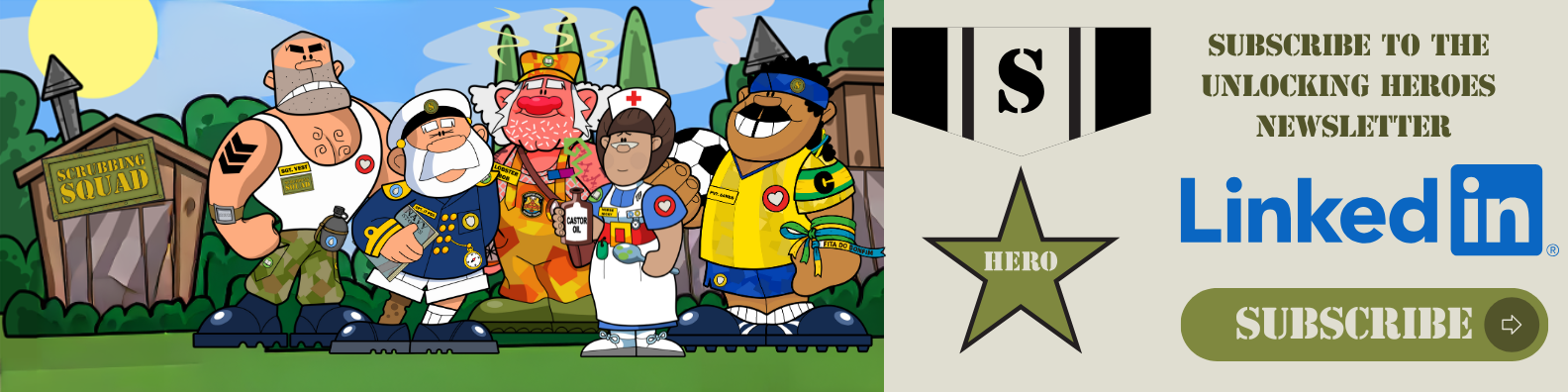
This is the very heart of The Scrubbing Squad. In The Hero Community For Children, we are building a world where hygiene is an integrated part of the adventure. It’s not a lecture you have to sit through; it’s a superpower you get to unlock.
Childhood Re-Imagined means hygiene that is fun, culturally relevant, and actually works. This is the domain of our dedicated Hygiene Heroes: Pvt Jeff and Pvt Farm.
They are the perfect team to solve the design problem by combining process discipline with cultural adaptability.
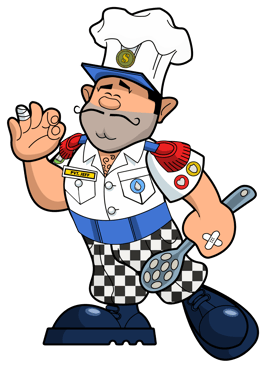
Pvt Jeff (The Unstoppable Chef) is the Chief of Nutritional Wellbeing and Culinary Hygiene. His philosophy is that Cleanliness is Next to Godliness and that Food is Fuel for the Mission.
His backstory is one of a rigid, perfectionist chef who learned the hard way that hygiene is about the whole process, from farm to table, not just a tidy kitchen. Jeff brings the discipline and process to the hygiene mission. He ensures the system is thorough and effective.
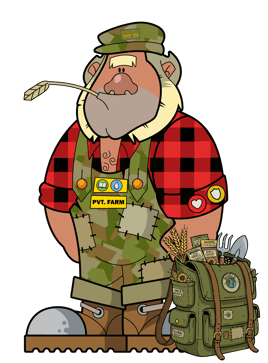
Pvt Farm (The Global Gardener) is the Chief of Cultural Adaptability and Resource Management. His philosophy is that Cultural Adaptability is the Key to Growth and that Every Hero Has Local Wisdom.
His backstory is one of a traditional farmer who failed when he ignored modern, sanitary practices, learning that hygiene is about protecting the community's most vital resources, like a clean water source.
Farm brings the cultural relevance and adaptability to the hygiene mission. He ensures the system works for Aisha in Birmingham and every child in every corner of the world.
Children in our community won't be told to wash their hands. They'll be invited on missions with Pvt Jeff and Pvt Farm and Pvt Sands where clean hands might be the key to unlocking a hidden recipe, protecting the community garden from contamination, or ensuring the Squad's food supply is safe for everyone. The reward isn't abstract and in the future; it's immediate, fun, and part of the story.
We're co-designing these experiences with children like Aisha, ensuring the missions are culturally rich and adaptable. We're building a world where hygiene respects different abilities and provides multiple ways to succeed. This is Childhood Re-Imagined: hygiene that is engaging, inclusive, and makes children want to participate.
Heroes Start Here
We are building this for our children, but we can’t do it without you. The battle against germs is fought on many fronts, and we want to know where you need the most backup.
What’s the one hygiene habit you wish your child would do without a fight?
Comment below. The most common answer will become the inspiration for our very first hygiene mission.
BIG NEWS: The Scrubbing Squad Store is Coming Soon!
This is it. To celebrate the start of our mission, our Shopify store is to go live in December 25! We’re launching with a limited-edition run of Scrubbing Squad apparel.
To thank you for being part of our founding community, the first 50 people who comment on this post will get a 20% discount code delivered directly to their DMs. Every single purchase helps fund the development of The Hero Community For Children.
Spread the Mission
Know a parent, grandparent, or carer who is fighting the good fight in the handwashing wars? Share this Mission Update with them. Let’s reframe this problem together.
#ScrubbingSquad #MissionUpdates #ChildhoodReImagined
Join the hero community: Sign up at scrubbingsquad.com and be the first to get exclusive access for your Heroes.
- WhatsApp Community: Connect directly with us and other like-minded individuals. Join our WhatsApp community for exclusive updates and discussions.
- Follow Us: Get exclusive content and channel drops by following us on all social media platforms!
Let's celebrate the unsung heroes in our children's lives and build a brighter future, together. "Heroes Start Here."
With gratitude,
Next Tuesday: Next Tuesday: We're tackling the loneliness epidemic and why our children need a Squad, not just an app. Mission Update drops at 13:30.