









The Grandparent Seat at the Childs Mission Table
The Saturday Visit
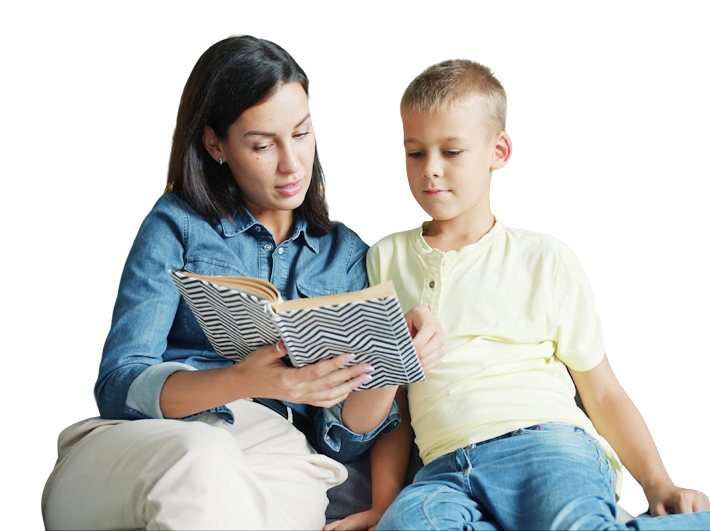
He arrives at three. A box of fudge under one arm. A folded story he meant to remember to tell. His daughter opens the door, kisses him on the cheek, and goes to make tea. His grandson is on the sofa with a phone. He says hello. The boy looks up, smiles, looks back down.
He sits on the sofa next to the boy. He says, "What are you watching?" The boy says, "It's not really watching, Grandad." He says, "Right." He looks at the screen. He cannot follow what is happening on it. The story he came to tell stays folded in his pocket.
This happens, in a version, every Saturday in millions of households. The man on the sofa is not short of love. He is not short of money. He is short of a way in.
The Most Underserved Audience in Children's EdTech
Every children's app I have ever taken apart has been built on the same architecture. Two accounts. One for the parent. One for the child. The grandparent is not on the chart.
When grandparents do appear in the design, they appear as a payment method or a permission level. A name on a billing record. A line item in an annual subsidy report. Not a person with a name and a role and a story folded in their pocket.
The most underserved audience in children's EdTech is not a niche group. It is a generation. The system has no seat for them.
What Grandpa John Actually Wants
Take Grandpa John. He is the persona I think about whenever a marketing decision in this company is in danger of becoming clever rather than honest.
John is retired. He has time. He has assets. He has a workshop in the garage and a story for every tool in it. He is the family's Economic Buyer. He buys the bike. He pays for the school trip. He puts the fiver in the card. He has been doing this for forty years.
John is not buying convenience. He is not even buying education. He is buying his place in a story he is afraid he is being written out of. The three in the morning question, the one he does not say out loud, is the legacy question. If I died tomorrow, what of my grit, my handiwork, my values would actually remain in that child.
That is not the question a £6.99 monthly subscription is built to answer.
The Parent-Child Binary
Most children's apps were designed by people whose model of a family is a parent and a child in a flat with reliable wifi. That model is real. It is also incomplete.
In real households across the UK, children's developmental support runs through wider hands than two. Grandparents on the school run. Grandparents at the kitchen counter. Grandparents on the phone explaining how to wire a plug. Aunts. Uncles. Stepfamilies. Family friends close enough to count.
The Parent-Child Binary writes all of those people out. Heritage gets compressed into a profile picture. Workshop wisdom gets compressed into a digital badge. Story gets compressed into a notification. None of those compressions survive contact with the actual older generation, because the older generation knows the difference between a notification and a story.
The Grandparent Economy Is Not a Side Audience
Demographic patterns now show grandparents playing an increasing economic role in children's lives as public resources for education and family support remain constrained. Private family transfers grow as state support shrinks. The grandparent's pound is increasingly the pound that pays for the extra tutoring, the school trip, the device, the music lesson, the membership.
Treating grandparents as a side audience is not a marketing oversight. It is a strategic failure. They are a structural pillar of the children's developmental economy. We have known this for ten years. The category has continued building two-account apps anyway.
What We Built Instead
We built a third seat at the mission table. Grandparent Mode is not a feature toggled on after launch. It is part of the core architecture.
A grandparent in our system gets their own named role in the child's hero journey. They get visibility of every mission their grandchild completes. They get the option to deliver missions themselves, in person or from anywhere in the country. They get a Legacy Story Journal that records their voice and preserves their stories inside the child's account, for as long as the child's account exists. They get the Grandparent Mode handbook, a quiet briefing on how to step in without triggering the "interfering grandparent" label that John has been navigating around for years.
What John gets is not access to an app. He gets a named seat at the mission table.
Uncle Jamie Is the Grandparent Inside the Squad
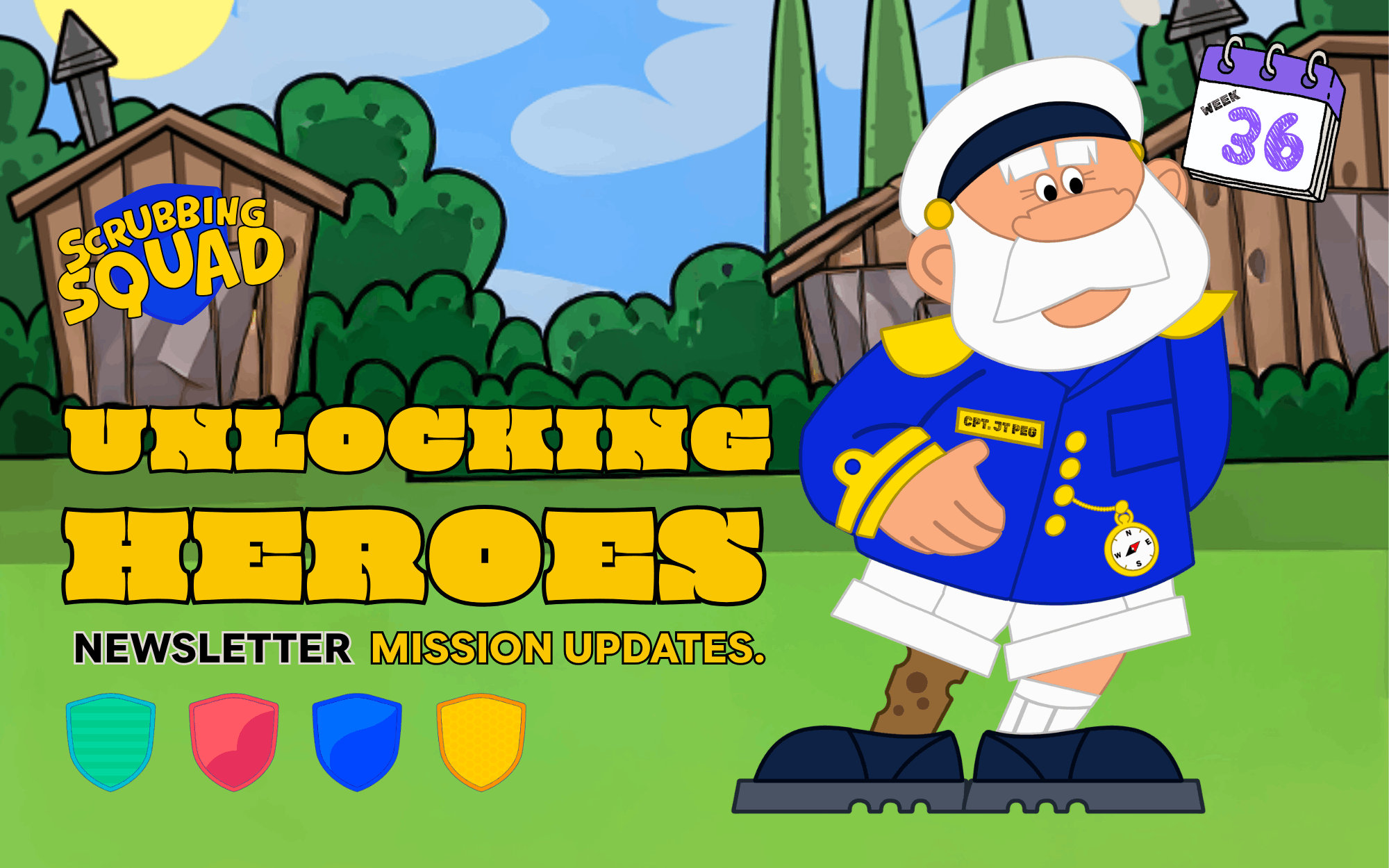
The reason this works structurally is that the platform itself was designed by a grandparent figure. Uncle Jamie is our Founder and Base Commander. British. Grandfatherly. Failed in four pillars across four continents before he stopped trying to be useful and started learning how to be present.
He is the one who reframed his own twenty-five years of getting it wrong as qualifications, not regrets. Auntie Ellie did the reframing. Uncle Jamie did the listening. That dynamic is the Squad's founding architecture.
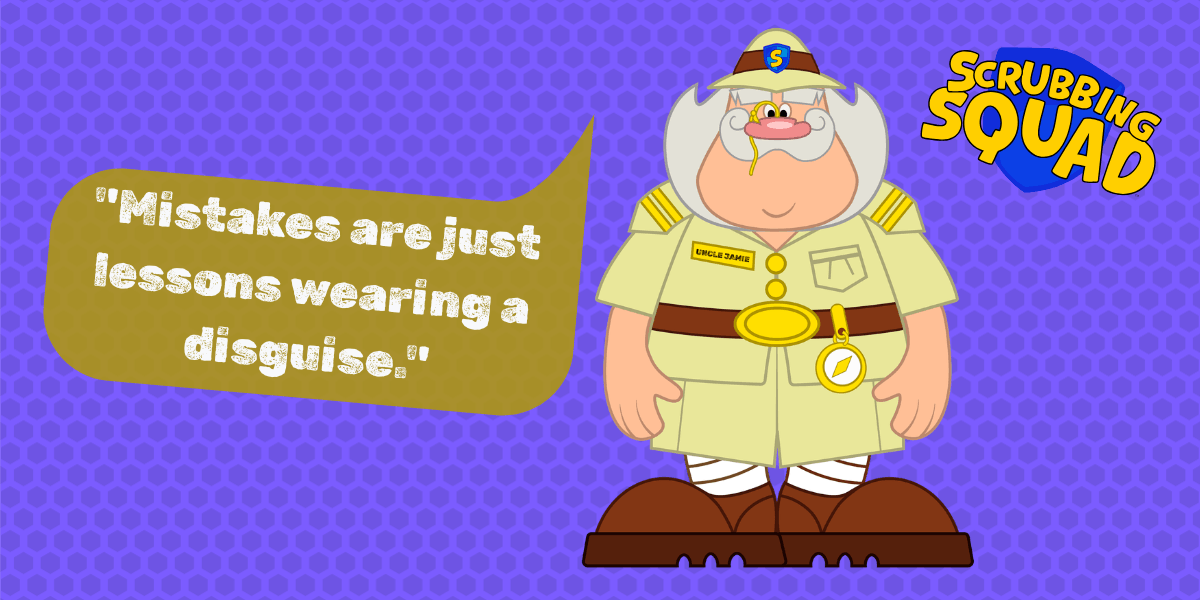
That sentence is for the grandfather who has been quietly carrying a stack of his own mistakes through his adult life and wondering whether any of them were useful. They were. They are the curriculum.
What This Looks Like in Practice
Three concrete examples.
The Legacy Story Journal sits with John, not the child. Prompted templates take him by the hand. "Tell me about your first job." "Tell me about your dad." "Tell me about the time you got it wrong." He records his voice. The story arrives in the grandchild's app as a History Mission. Grandad on the screen, in his own voice, telling his own story. The story is preserved inside the account, archived, kept.
The Cultural Heritage Mission Pvt. Farm delivers belongs to the kitchen, and the kitchen tends to have a grandparent in it. The child cooks one recipe from their family heritage. The grown-up in the kitchen signs off. The grown-up in the kitchen is, in millions of households, the grandparent. The mission is verified. The recipe is logged. The grown-up is named.
The Workshop Mission lets John do what he has been quietly doing his whole life. He shows the child how to mend a thing, build a thing, plant a thing. The child taps the SOP Card when the thing is done. The system logs it. John gets a record that his grandchild made the thing with him.
What John Is Not Buying
He is not buying an Amazon voucher. He is not buying birthday cheques his daughter has to nudge him to send. He is not buying more plastic. He is not buying convenience and he is not buying time.
He is buying a named role in his grandchild's hero journey. He is buying back the way in.
The Bottom Line
Children's EdTech has built itself, for a decade, on the assumption that childhood happens between a parent and a child. Childhood does not happen between a parent and a child. Childhood happens between a parent, a child, a grandparent, an aunt, an uncle, a teacher, a neighbour, a sergeant of training missions, and the man on the sofa with the fudge under his arm and the story folded in his pocket.
We built a Squad with a seat for him.
If you are reading this and you are a grandparent, the way in exists. If you are reading this and your parents are grandparents, this newsletter is the one to forward.
And we're building it for 10 million heroes. Heroes Start Here Join the Waitlist
Join the hero community: Sign up at scrubbingsquad.com and be the first to get exclusive access for your Heroes.